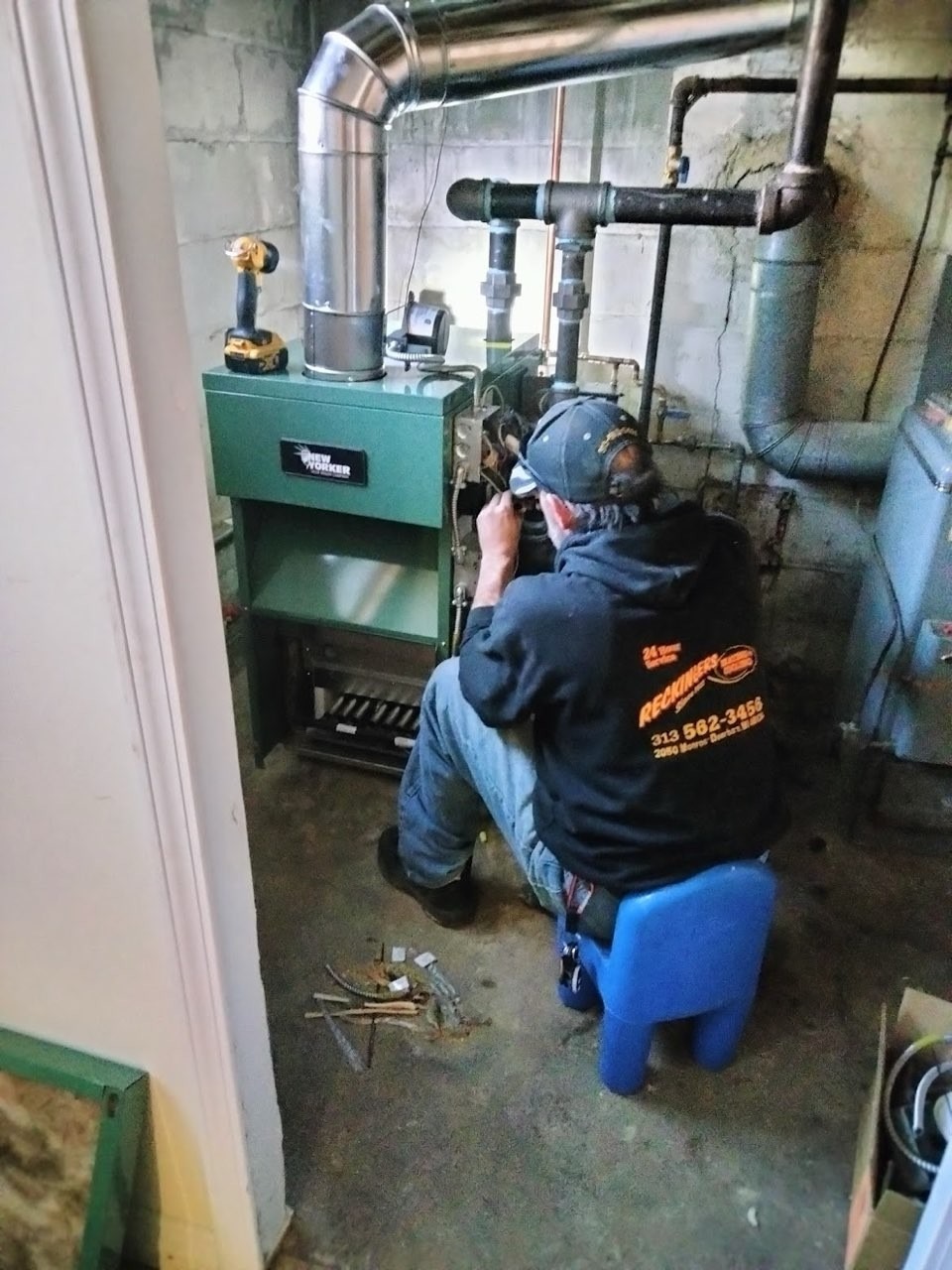
Winter in Michigan means your furnace is working overtime to keep your home warm and comfortable. But what happens when your furnace suddenly stops running or starts blinking mysterious lights? Understanding your furnace’s error codes can help you identify what’s wrong and know when to call for professional help. Here’s what Dearborn homeowners need to know about these critical diagnostic systems.
What Are Furnace Error Codes and Why Do They Matter?
Most modern furnaces now come equipped with a diagnostic control board that monitors key functions such as ignition, airflow, safety switches, and flame sensors. When an error is detected, the furnace displays a code, typically by blinking an LED light in a specific pattern or showing a number on its interface. These error codes are invaluable, as they:
-
Help you communicate more accurately with your HVAC technician.
-
Enable you to spot simple issues such as a dirty filter that you might be able to address immediately.
-
Offer an early warning for serious or potentially hazardous system failures.
By reading and reporting the error code, you give a trained furnace repair specialist a head start in diagnosing and fixing the problem quickly, which is especially important during the cold Dearborn winters.
How to Find and Read Your Furnace’s Error Code
When your heat cuts out, follow these safety and diagnostic steps to locate the error code:
-
Turn off power to your furnace at the switch or circuit breaker.
-
Remove or open the access panel to the lower compartment where the control board is located.
-
Look for a small inspection window or LED indicator on the control board itself.
-
Restore power to the unit and call for heat using your thermostat.
-
Observe the light pattern: count the number of short and long flashes, or note any two-digit numbers.
-
Always refer to your owner’s manual, as each manufacturer uses its own code system.
For example, Carrier, Bryant, and Payne furnaces often use combinations like 1-4 or 2-2, pointing to issues like ignition lockout or abnormal flame signals. Goodman and Amana models might use single or double blinks for different malfunctions. While the patterns differ, the process for finding and reading the code remains much the same.
Common Furnace Error Codes and What They Mean
While code numbers vary across brands, some error codes crop up frequently in the metro Detroit area:
-
Ignition failure: Usually one flash or code 101; may indicate a dirty flame sensor, faulty ignitor, or gas supply issue.
-
Pressure switch problem: Typically, two flashes or code 202; could mean a vent or drain is blocked, or the pressure switch itself isn’t functioning.
-
Inducer motor fault: Often three flashes, signaling that the motor isn’t venting gases properly, possibly due to obstruction or wiring issues.
-
High limit or rollout switch triggered: Codes like 13 or 33; this means the furnace is overheating, which may stem from blocked airflow or a dirty filter.
-
Flame sensor problem: Five flashes or a related code; commonly caused by a dirty or malfunctioning sensor, which shuts the system down for safety.
Remember, these are general guidelines, always confirm the exact meaning in your owner’s manual.
Homeowner Troubleshooting: What You Can Safely Check First
If you’re comfortable, there are a few simple steps you can try before contacting a professional HVAC technician:
-
Replace or clean the air filter, as restricted airflow is a common culprit.
-
Ensure all supply and return vents are open and unblocked.
-
Check your thermostat settings and batteries.
-
Record the error code for your technician.
If the error code persists after these steps, or if you see warning signs like flames outside the burner area or discolored burner flames, it’s critical to call a professional for furnace maintenance or repair. DIY attempts beyond basic troubleshooting can be dangerous.
How Error Codes Lead to Faster, Safer Repairs
Sharing observed error codes with your service provider can reduce diagnostic time and ensure a faster resolution. It also helps your technician show up with the right replacement parts and equipment, which is essential during Michigan’s peak heating season.
Additionally, regular furnace installation of high-efficiency models can prevent many common failures associated with aging equipment, making your system more reliable even when temperatures in Dearborn dip well below freezing.
Schedule Furnace Service in Dearborn, MI
If your furnace is displaying error codes or not keeping your Dearborn, MI home comfortable, Reckingers Heating & Cooling is here to help. Our team of certified HVAC technicians can quickly diagnose and repair all makes and models, keeping your family safe and warm through Michigan’s coldest months. Call us today at 313-562-3456 or fill out our online form to schedule prompt, reliable furnace service.