
During the long Dearborn winters, homes typically stay sealed tight, keeping out the cold but also trapping unwanted indoor pollutants. When spring finally arrives in Michigan, many homeowners notice changes in their indoor air quality. As temperatures rise and furnaces turn off, it is important to understand how months of reduced ventilation can impact your home’s environment and what you can do to refresh the air you breathe.
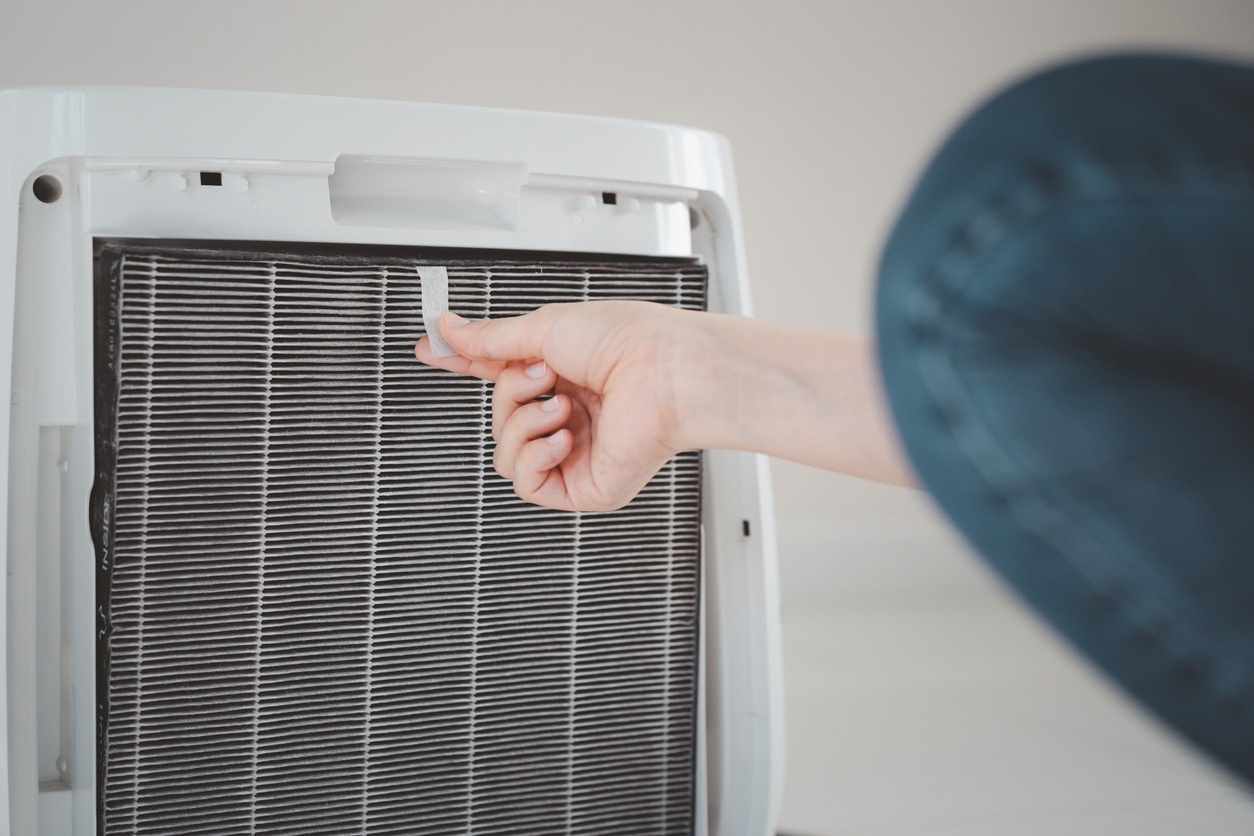
Why Indoor Air Quality Suffers After a Michigan Winter
Cold Michigan winters often force residents to close their doors and windows for weeks or even months at a time. While this keeps your home warm, it also means:
-
Less fresh air circulates through your living spaces.
-
Everyday activities like cooking, cleaning, and even breathing accumulate moisture, dust, and volatile organic compounds.
-
Pet dander, pollen brought in from outdoors, and mold spores are trapped inside.
By spring, it is not unusual for your home to feel stuffy or stale. Dust accumulates in your ductwork and on surfaces, and hidden pollutants continue to recirculate each time your HVAC system runs.
Signs That Indoor Air Quality Needs Attention
You may not always see poor indoor air quality, but there are several signs that the air inside your home needs improvement:
-
Dry or irritated eyes, nose, or throat upon waking.
-
Persistent dry air, which can make your skin and lips feel cracked.
-
Increased frequency of allergy symptoms, such as sneezing or sinus congestion.
-
Lingering household odors, even after cleaning.
-
Dust settling quickly on furniture and vents.
When multiple household members experience similar symptoms, it is a strong indicator that your indoor air may not be as healthy as it should be, especially after the home has been closed up all winter.
Post-Winter System Checks for Improved Air Quality
After surviving a harsh Dearborn winter, it is time for a thorough post-season check of your home’s heating and cooling system. A comprehensive evaluation helps ensure your HVAC system is running efficiently and not recirculating pollutants. Here are a few actions worth considering as warmer weather approaches:
-
Replace or upgrade your air filters to capture pollen, dander, and fine dust that has built up over the winter.
-
Schedule a professional cleaning of your ductwork, removing accumulated debris and preventing allergens from spreading.
-
Test your generator’s reliability to ensure it is ready to deliver backup power when spring storms arrive.
-
Inspect your home’s ventilation, especially in high-moisture areas like bathrooms and basements, where mold can thrive unnoticed.
Modern Solutions for Healthier Home Air
Bringing fresh air into your Dearborn home post-winter may require more than just opening the windows. Advancements in air quality solutions provide multiple strategies for cleaner air:
-
Consider high-efficiency air purifiers, which can capture and neutralize airborne particles and odors.
-
Install or upgrade your ventilation system to help exchange indoor air with fresh outdoor air, reducing concentration of trapped contaminants.
-
Use humidifiers and dehumidifiers to balance moisture levels, especially after the dry, heated winter months.
Investing in these improvements not only supports better health but can also enhance the overall comfort of your living spaces as Dearborn transitions out of winter.
Schedule Your Indoor Air Quality Assessment in Dearborn, MI
If you are noticing any of the common signs of poor indoor air quality or want to ensure your HVAC and backup generator are ready for the new season, reach out to Reckingers Heating & Cooling. As a leading provider in Dearborn, MI, the team offers solutions that range from furnace and AC maintenance to indoor air quality upgrades and generator checks. Contact Reckingers Heating & Cooling today at (313) 562-3456 or fill out our online form to schedule your post-winter whole-home assessment.